Egg Testing Solutions
Eggs are a versatile and nutritious food source, but can also cause severe allergic reactions in some individuals. Egg allergies are primarily caused by proteins found in the egg white, though some individuals may also react to proteins in the egg yolk. Ovomucoid, ovalbumin, ovotransferrin, lysozyme and livetin represent the most important allergens in eggs, with some of them being heat-stable, making them resistant to cooking and baking processes.
Cross-contamination with egg residues is a concern during food production, making it essential to monitor both the manufacturing environment and the final products for traces of egg. The food industry is responsible for using highly sensitive testing equipment to ensure compliance with strict food safety standards.
Mandatory labeling of eggs in food products
Egg allergies are among the most prevalent food allergies, especially in young children. In Europe and the United States, egg allergies affect approximately 1-2% of young children and are less common in adults, with prevalence rates below 0.5%.
To safeguard consumers from the potential dangers of egg consumption, allergen labeling is mandated by law in many countries. Eggs are regulated in the EU (Regulation (EU) No 1169/2011) and the US (U.S. FDA – FALCPA 2004) as a priority allergen requiring clear labeling on food products.
Fast and highly sensitive egg analysis
At Romer Labs, we offer a comprehensive array of allergen detection solutions, including test kits, reference materials, and analytical services. Our egg test kit portfolio includes quantitative ELISA tests and qualitative lateral flow devices (LFDs) specifically designed for the detection of egg proteins in environmental samples, rinse waters, and liquid and solid foodstuffs.

AgraStrip® Pro Allergen - Whole Egg

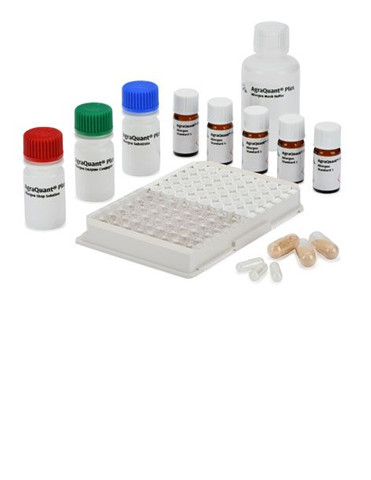
AgraQuant® Egg White