Mustard Testing Solutions
Mustard is derived from plant species in the Brassica and Sinapis genera, known for their small, round seeds used as a spice. Prepared mustard, a popular condiment, is made by mixing ground mustard seeds with water, vinegar, and other ingredients. Yellow, brown, and black mustard varieties are also commonly used in a wide array of culinary creations. For individuals with mustard allergies, hidden allergens in food can pose a significant risk, as many mustard proteins are heat-stable and resistant to various production processes.
Mandatory labeling of mustard in food
To safeguard consumers, the food industry employs sensitive mustard test kits to detect potential cross-contamination during production. In many countries, allergen labeling is mandated by law, including Regulation (EU) No 1169/2011 in the European Union and corresponding legislation in Canada, among others. This is particularly important in regions with high mustard production and consumption, such as France, where the prevalence of mustard allergies is relatively high.
Fast and Highly Sensitive Mustard Analysis Solutions

AgraStrip® Pro Allergen - Mustard

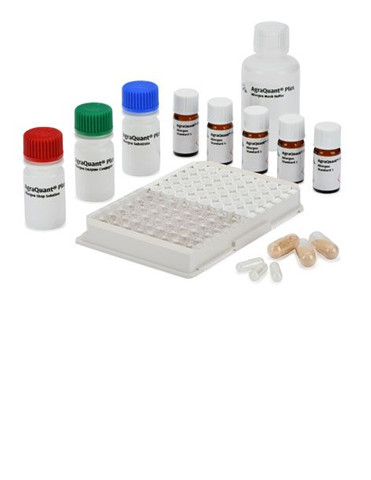
AgraQuant® Mustard