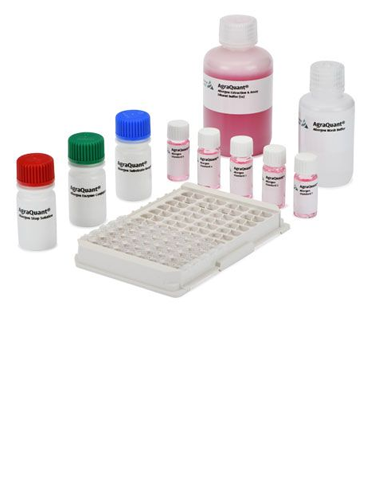
Ovalbumin Testing Solutions
Eggs are a versatile and nutritious food source but can also cause severe allergic reactions in some individuals. Egg allergies are primarily caused by proteins found in the egg white, although some individuals may also react to proteins in the egg yolk. In addition to lysozyme, ovomucoid, ovotransferrin, and livetin, ovalbumin represents the main fraction of egg white allergens. Egg powder, as well as pure ovalbumin, is often used as a fining reagent for wine, posing a critical problem for allergic individuals.
Mandatory Labeling of Egg Residues in Food Products
Egg allergies are among the most prevalent food allergies, especially in young children. In Europe and the United States, egg allergies affect approximately 1-2% of young children and are less common in adults, with prevalence rates below 0.5%. To safeguard consumers from the potential dangers of egg consumption, allergen labeling is mandated by law in many countries. Eggs are regulated in the EU (Regulation (EU) No 1169/2011) and the US (U.S. FDA – FALCPA 2004) as a priority allergen requiring clear labeling on food products.
Fast and Highly Sensitive Egg Analysis